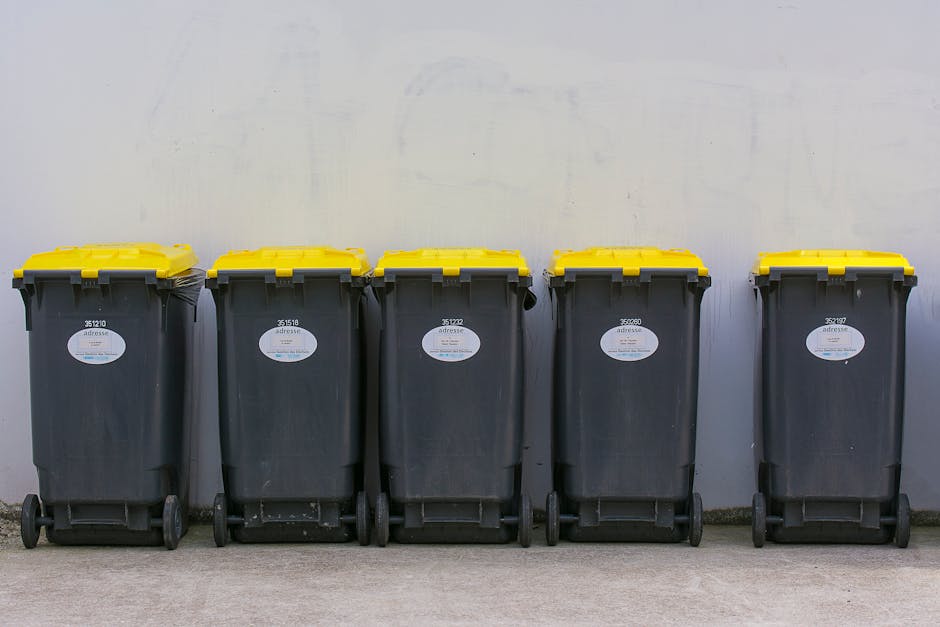
Norwood Junction station rubbish collection tips
If you have ever tried to clear rubbish near Norwood Junction station, you will know it is rarely just a case of "put it out and forget it". There are pavements to keep clear, passers-by to think about, train timings, awkward carrying distances, and the very real risk of leaving a mess that becomes someone else's problem. These Norwood Junction station rubbish collection tips are written to help you handle the job cleanly, quickly, and with less stress.
Whether you are dealing with a small flat clear-out, shop waste, office junk, or a heavier load after a renovation, the goal is the same: remove waste safely, stay organised, and avoid repeat trips. Below, you will find practical guidance, local considerations, common mistakes, and a few hard-earned tips that make a difference on the day. Nothing fancy. Just useful, real-world advice.
Table of Contents
- Why Norwood Junction station rubbish collection tips Matters
- How Norwood Junction station rubbish collection tips Works
- Key Benefits and Practical Advantages
- Who This Is For and When It Makes Sense
- Step-by-Step Guidance
- Expert Tips for Better Results
- Common Mistakes to Avoid
- Tools, Resources and Recommendations
- Law, Compliance, Standards, or Best Practice
- Options, Methods, or Comparison Table
- Case Study or Real-World Example
- Practical Checklist
- Conclusion
- Frequently Asked Questions
Why Norwood Junction station rubbish collection tips Matters
Stations are busy places, and Norwood Junction is no exception. Even a small pile of rubbish can cause more trouble than people expect. Bags can split, cardboard can blow into the road, and bulky items can block footpaths or doors. That creates obvious safety issues, but it also leaves a poor impression on neighbours, customers, and anyone walking past with a suitcase and a coffee in hand.
Good rubbish collection practice matters even more in local transport areas because space is limited. You often have narrow access, people moving in both directions, and very little tolerance for clutter. If waste is left in the wrong spot for even a short time, it can become an obstruction. It can also attract attention from enforcement teams or annoyed neighbours, which nobody wants. Let's face it, rubbish has a habit of becoming everyone's concern the minute it is placed badly.
There is also the practical side. When you plan rubbish collection properly, you reduce the number of trips, avoid missed pickups, and stop waste from getting mixed up. That means better recycling, lower handling time, and less chance of a last-minute panic when the pile turns out to be bigger than expected. A tidy plan usually saves money too, which is never a bad thing.
Expert summary: The best rubbish collection near Norwood Junction station is not necessarily the quickest-looking one; it is the one that keeps access clear, separates waste sensibly, and gets everything off-site without fuss or risk.
How Norwood Junction station rubbish collection tips Works
At a practical level, rubbish collection works best when you treat it as a short project rather than a one-off chore. First, identify what needs removing. Then sort it into clear groups: general waste, recyclable materials, bulky items, electrical items, and anything that may need specialist handling. That simple step prevents awkward surprises later.
In a station area, timing and access matter just as much as sorting. You may need to move items during quieter periods, use a side entrance, or stage waste somewhere that does not interfere with foot traffic. If a vehicle is involved, loading must be done in a way that does not block the road or create unsafe carrying routes. A sensible plan usually includes where items will be gathered, who will move them, and how quickly they can be taken away.
For many people, the process sits somewhere between DIY clearance and full professional removal. You can do the sorting and bagging yourself, then book a collection for the lifting and disposal. Or, if the waste is mixed, heavy, or time-sensitive, it may be more efficient to arrange a broader service such as waste removal or a more specific option like office clearance or flat clearance.
In our experience, the best outcomes come from keeping the collection point simple. One stack for bags, one for cardboard, one for bulky pieces. Not perfect, not theatrical-just neat enough to make loading easy and mistakes rare.
Key Benefits and Practical Advantages
There are plenty of reasons to follow better rubbish collection habits near Norwood Junction station, and most of them are very ordinary in the best possible way. Less mess. Less stress. Less time wasted. That kind of thing.
- Cleaner access routes: Keeping waste under control helps avoid blocked walkways, awkward corners, and messy spillages.
- Faster collections: Clear sorting makes loading more efficient, which is useful when space and time are limited.
- Safer handling: Bulky or sharp items are easier to manage when they are separated before collection.
- Better recycling: Recyclables are more likely to be recovered properly when they are not mixed with general rubbish.
- Fewer surprises: A good plan reduces the chance of discovering, too late, that a sofa, fridge, or bag of rubble needs specialist treatment.
- More professional presentation: This matters for businesses, landlords, letting agents, and anyone dealing with customer-facing premises.
There is a quieter benefit too: it simply feels better. A space can look chaotic one moment and manageable the next once the rubbish is grouped correctly. Anyone who has stood in a dusty hallway at 8am, staring at an old desk and a pile of black sacks, will understand that small feeling of relief when the job starts to make sense.
If you want collections that support reuse and responsible disposal, it is worth thinking beyond the immediate pickup. Pages like recycling and sustainability and what can go in a skip can help you plan what belongs where before anything is lifted.
Who This Is For and When It Makes Sense
These tips are useful for a wide range of people, but they are especially relevant if you are working around a busy local hub like Norwood Junction station and need waste removed without disrupting everyone else.
- Flat residents: Especially where stairwells, shared entrances, or tight access make waste handling awkward.
- Landlords and letting agents: Useful after tenant move-outs, furniture left behind, or a quick turnaround between lets.
- Small businesses: Shops, offices, salons, cafes, and studios often need discreet and efficient waste collection.
- Builders and trades: Renovation waste, packaging, rubble, and offcuts can build up fast and become a hazard.
- Homeowners: Handy for loft clean-outs, garage clearances, or a house clear-out before moving.
- Site managers: If the project sits near public access points, planning is essential, not optional.
It makes sense any time you are dealing with a pile that is too awkward for ordinary bins but not large enough to justify a long, complicated process. That in-between space is where good local collection advice is most valuable.
If the job includes domestic clutter rather than mixed commercial waste, related services such as home clearance, house clearance, or loft clearance may be a better fit. Different job, different approach. Simple as that.
Step-by-Step Guidance
Here is a practical way to handle rubbish collection near Norwood Junction station without overcomplicating it.
- Walk the route first. Check how items will move from inside the property or site to the collection point. Look for tight corners, steps, door widths, and anything slippery or uneven.
- Sort waste into groups. Keep general rubbish separate from cardboard, wood, metal, electrical items, and anything hazardous or sharp.
- Remove obvious risks early. Broken glass, protruding nails, leaking containers, and heavy items should be dealt with before the main load is moved.
- Break down bulky items where possible. Flat-pack cardboard, dismantled furniture, and collapsed shelving are much easier to carry and load.
- Use strong bags and containers. Thin bags rip at the worst moment. Always, always at the worst moment.
- Stage waste neatly. Keep the collection area tidy so it does not become a trip hazard or block access.
- Check what needs special handling. Fridges, freezers, mattresses, sofas, and electricals can need separate removal or recycling routes.
- Book the right service. Match the collection method to the waste type and volume, rather than forcing everything into one solution.
- Do a final sweep. Check for screws, packaging, dust, and small loose items. Tiny things cause big irritations later.
If you are dealing with appliances or old white goods, it may help to use a dedicated service like fridge and appliance removal. For soft furnishings, mattress and sofa disposal or furniture disposal can save time and reduce the risk of damage during handling.
Expert Tips for Better Results
Over time, a few habits make rubbish collection noticeably easier. None of them are glamorous. They just work.
1. Photograph the pile before you start
This sounds small, but it helps you estimate volume and identify anything that was missed during the first sort. If the pile changes shape after a few items are moved, you will still have a reference point. Useful, especially when the load is more "messy corner" than "neatly stacked waste."
2. Keep wet and dry waste apart
Damp cardboard, food waste, and soggy soft materials make a collection much less pleasant and can contaminate recyclable items. If there has been rain, especially in the morning, try to keep dry materials covered until pickup.
3. Make the heaviest items easiest to reach
Do not bury a broken wardrobe under ten lighter bags. Put the awkward thing where it can be grabbed first. That saves time and reduces lifting strain.
4. Watch for specialist items
Batteries, fridges, screens, chemicals, and certain cleaning products should not be treated as ordinary rubbish. If you are unsure, it is better to pause and separate them. A cautious minute now beats a messy problem later.
5. Think about the street, not just the site
Near a station, the outside environment matters. Can a collection vehicle stop safely? Will bags sit where pedestrians naturally walk? Is there enough room if commuters are arriving just as you are loading? The street plan matters almost as much as the waste plan.
If your team needs reassurance around safe handling and procedures, it is worth reviewing a provider's health and safety policy and insurance and safety information before booking. That is not over-cautious; it is common sense.
Common Mistakes to Avoid
A lot of rubbish collection problems come down to the same few mistakes. The good news is that they are easy to avoid once you know what to look for.
- Leaving sorting until the last minute: This turns a manageable job into a pile of mixed waste nobody wants to touch.
- Overfilling bags: Heavy, split bags are awkward and unsafe. Use more bags if needed.
- Blocking access routes: A waste pile that interferes with people moving through the area causes friction very quickly.
- Ignoring specialist waste: Treating hazardous or electrical items as general rubbish is a poor move.
- Underestimating volume: The pile always looks smaller before you start. Every single time.
- Not planning for weather: Rain and wind can ruin an otherwise tidy collection area.
- Forgetting follow-up cleanup: Small debris, packaging, and dust can linger after the main waste is gone.
A surprisingly common mistake is not checking disposal options early enough. A busy clearance day can be much smoother if you know in advance whether you are dealing with furniture, building waste, or office materials. If the job is construction-related, builders waste clearance may be the most suitable route. If it is business stock, packaging, or office clutter, business waste removal is often a better fit.
Tools, Resources and Recommendations
You do not need a mountain of equipment to manage rubbish collection well, but the right tools make the job far less painful.
- Heavy-duty refuse sacks: Better for mixed waste and less likely to split under pressure.
- Gloves with grip: Essential for handling rough surfaces, splinters, and sharp packaging edges.
- Tape, labels, or marker pens: Handy for sorting and marking what needs to stay separate.
- Box cutter or basic hand tools: Useful for dismantling cardboard, furniture, or shelving.
- Dustpan and brush: Small but invaluable for the final tidy-up.
- Straps or a sack truck: Helps move heavier items safely across short distances.
For heavier or awkward clearances, the right service matters more than the nicest bin bag on the market. If you are working through a property top to bottom, services such as garage clearance, garden clearance, or furniture clearance can reduce the amount of sorting you need to do yourself.
And if you want to understand pricing before you book, it is sensible to look at pricing and quotes. Clear pricing tends to make decisions much easier. Nobody enjoys guesswork, especially on a deadline.
Law, Compliance, Standards, or Best Practice
When rubbish collection touches a public area, best practice becomes more than a nicety. In the UK, waste should be handled responsibly, kept secure, and passed to a suitable collection route. If waste is left out in a way that creates obstruction, litter, or safety risk, that can create avoidable problems. The exact rules depend on the setting, but the principle is straightforward: keep public access clear and dispose of waste responsibly.
For commercial waste, it is wise to use a provider that can explain how materials are handled, what happens to recyclable items, and how safety is managed. For sensitive materials, services such as confidential shredding are more appropriate than ordinary disposal. For anything that may be dangerous, wet, corrosive, or otherwise risky, specialist handling through hazardous waste disposal is the safer choice.
Good practice also means understanding the difference between what can go in mixed waste and what should be separated. If you are unsure, check the collection guidance before items are moved, not after. That small bit of care can save a lot of backtracking.
For readers who like process and accountability, it also helps to know whether a business has clear policies on payments, access, complaints, and service standards. Those details do not remove the mess, but they do build confidence. Fair enough, you want to know what happens if things do not go to plan.
Options, Methods, or Comparison Table
There is no single right way to manage rubbish collection near Norwood Junction station. The best method depends on waste type, volume, access, and timing. Here is a simple comparison.
| Method | Best for | Strengths | Limitations |
|---|---|---|---|
| DIY bagging and small trips | Very small jobs | Low upfront cost, flexible timing | Time-consuming, awkward for bulky waste |
| Scheduled professional collection | Mixed household or business waste | Less lifting, quicker clearance, more convenient | Requires a booked slot and clear access |
| Specialist item removal | Appliances, mattresses, sofas, confidential material | Safer handling and appropriate disposal route | Not ideal for general mixed waste only |
| Full clearance service | Flats, offices, houses, garages, lofts | Best for larger or more chaotic clearances | May be more than you need for a tiny load |
For many local jobs, the sweet spot is a simple collection supported by a targeted clearance service. For example, if the waste is mostly household clutter, a house clearance or home clearance approach can be much smoother than trying to piece together several smaller pickups.
Case Study or Real-World Example
Picture a small office a short walk from the station. The team is moving desks, clearing old files, and getting rid of a broken printer, several cardboard boxes, and two tired office chairs. If they leave everything in one pile by the door, the loading will be slow and the entrance will become cluttered. Not ideal when staff, clients, and commuters are all passing by.
Instead, they split the waste into three groups early in the morning: paper and cardboard, bulky office furniture, and mixed rubbish. The printer goes aside for separate handling because it is electrical. The chairs are checked for reuse or disposal. The boxes are flattened. By the time the collection team arrives, the load is neat, visible, and ready to move. The job is finished faster, and nobody has to play Tetris with a pile of office detritus at the kerbside.
The same approach works for a flat near Norwood Junction with a mix of old bedding, broken shelving, and a few bags of general junk. Break down what you can, separate the rest, and keep the route clear. The result is calmer, tidier, and usually cheaper than a last-minute scramble.
It is not glamorous work, obviously. But done properly, it feels surprisingly satisfying.
Practical Checklist
Use this quick checklist before collection day:
- Have you sorted waste into clear categories?
- Are all bags strong, sealed, and not overfilled?
- Have sharp, heavy, or awkward items been separated?
- Is the access route clear from the property to the collection point?
- Have you checked whether any items need specialist removal?
- Are recyclable materials kept apart where possible?
- Is the collection area safe, dry enough, and easy to reach?
- Have you removed loose items, screws, and small debris?
- Do you know who is responsible for the final sweep-up?
- Have you arranged the right service for the waste type and volume?
If you are preparing a bigger clearance, you may also want to review related services such as furniture clearance, office clearance, or home clearance so the collection plan matches the actual job, not just the first thing you noticed.
Conclusion
Norwood Junction station rubbish collection tips are really about making a busy, sometimes awkward task feel manageable. If you sort waste early, protect access routes, separate special items, and choose the right collection method, the whole process becomes much smoother. You avoid the usual faff, you reduce risk, and you leave the area looking decent rather than defeated.
That is the real aim here: not perfection, just a cleaner, safer, easier job. And in a place as busy as this, that counts for a lot. One careful collection can save a surprising amount of hassle later.
Get a free quote today and see how much you can save.
If you are still deciding how to handle a clear-out, start with your waste type, then match it to the right service. A little planning goes a long way, and honestly, it makes the rest of the day feel lighter.
Frequently Asked Questions
What is the best way to organise rubbish collection near Norwood Junction station?
The best approach is to sort waste into clear groups, keep access routes open, and choose a collection method that suits the volume and type of rubbish. That keeps the job safer and quicker.
Can I put mixed household waste out together?
You can, but it is usually better to separate recyclables, electrical items, and anything sharp or heavy before collection. Mixed waste is manageable, but cleaner sorting nearly always helps.
What should I do with fridges, freezers, or other appliances?
Appliances are best handled separately because they often need specialist treatment. A dedicated service such as fridge and appliance removal is the safer option.
How do I avoid blocking the pavement or entrance?
Stage waste in a place that does not interfere with foot traffic, doorways, or loading areas. If you are near the station, assume the area will get busy and plan accordingly.
Is rubbish collection different for a flat or office?
Yes. Flats often have access constraints and shared areas, while offices may have confidential materials or bulkier furniture. Services like flat clearance and office clearance can be more suitable than a generic approach.
What items need special handling?
Common examples include fridges, mattresses, sofas, batteries, chemicals, and confidential paperwork. If in doubt, separate the item and check before moving it with general waste.
How can I make rubbish easier to collect?
Flatten cardboard, dismantle what you safely can, use strong bags, and keep heavy items accessible. It sounds basic, but it saves a surprising amount of time.
Is it worth booking a professional waste removal service?
If the waste is bulky, mixed, or time-sensitive, yes, it often is. A professional team can lift, load, and remove the rubbish in one go, which is much easier than making repeated trips.
What if my waste includes building materials?
Building waste should be kept separate from normal household rubbish where possible. Builders waste clearance is usually the better match for rubble, offcuts, and renovation debris.
How do I know if something should be recycled or disposed of separately?
As a rule, clean cardboard, metals, and many electrical items can often be handled differently from mixed rubbish. If the item is dirty, wet, contaminated, or unsafe, it may need a separate route.
What should I check before collection day?
Check access, bag strength, waste categories, and whether any specialist items are included. A quick final walk-through saves headaches later.
Where can I find more information about service standards and payment?
It helps to review the provider's information on pricing and quotes, payment and security, and insurance and safety before booking. Those pages usually answer the practical questions people want sorted first.