Commercial Waste Removal in Norwood
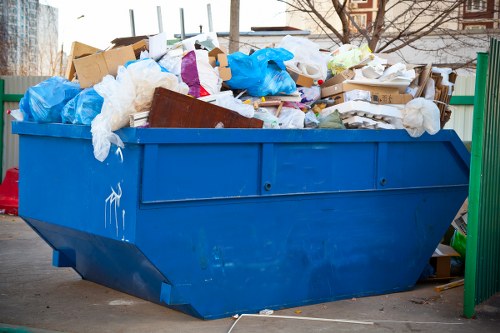
Commercial waste removal in Norwood needs a service that is organised, discreet and suitable for premises that cannot afford clutter to build up. We clear business waste from offices, shops, workshops, hospitality sites and managed properties, helping owners and managers keep working areas usable while unwanted materials are taken away responsibly. The service is built around practical collections, sensible sorting and a straightforward process from first enquiry to completion.
Our work covers recurring and one-off clearances, from routine trade rubbish to bulkier items that need careful handling. Whether a site is being refreshed, a storage area is filling up or general waste streams need a better structure, we can support a cleaner and more manageable environment. If you need a commercial waste collection in Norwood, the aim is to remove the right materials without interrupting your day more than necessary.
We also deal with the sort of items that are awkward to move through normal day-to-day waste routes, including mixed office contents, furniture, fixtures, and packaging that has accumulated after deliveries or refurbishment work. For customers comparing options, the useful starting point is to identify what must go, what may need separating, and whether access is straightforward. Clear information at the outset helps make the collection more efficient and keeps expectations realistic.
Commercial collections for everyday premises
Business waste removal is rarely just about taking away a pile of rubbish. In many premises, the work has to fit around staff, customers and building rules, so the collection needs to be planned with access and timing in mind. We handle a range of commercial waste types, with an approach that suits offices, retail units, storage rooms and smaller operational sites where waste can quickly become a distraction from the actual work.
Common items include desks, chairs, shelving, filing materials, old stock, display units, broken appliances and general mixed waste that has gathered over time. In some cases, materials are separated before loading so recyclable items and reusable materials can be directed appropriately. Where a site contains different waste types, keeping them grouped in advance can help the collection proceed more smoothly and reduce avoidable handling on the day.
Office waste, furniture and internal clearances

Office waste often includes more than paper and packaging. Workstations may need to be cleared during a move, an upgrade or a change in layout, and that can involve tables, storage units, monitors, peripherals and mixed contents from desks or cupboards. We also support office furniture removal where bulky items need lifting out of shared corridors, upper floors or compact reception areas.
When furniture is being removed, the details matter. Large items may need dismantling, and delicate surroundings may need extra care so walls, floors and lifts are not marked while items are moved. A considered approach is especially useful in shared buildings, where access windows, loading points and building rules can affect how the job is carried out. If you are arranging an office clearance, it helps to think about what stays, what goes and whether items need to be separated before loading.
For many customers, the main benefit is not simply empty space but a more workable room layout and a tidier handover. That matters in spaces used by several people or by visiting clients, because it can be difficult to maintain a professional environment when unwanted items remain in corridors, store rooms or meeting areas. A clear removal plan makes it easier to keep the business moving.
Retail, hospitality and storage-area waste
Retail and hospitality premises can produce waste that builds up in different ways from domestic clearances. Packaging, broken fittings, worn seating, shelving and stock that can no longer be used all need to be handled with care so trading areas remain safe and presentable. We provide collections that can accommodate these kinds of materials without turning the clearance into a drawn-out disruption to your day.
Storage rooms and back-of-house areas often require particular attention because waste is mixed with active supplies, equipment and records. That means the job is often as much about sorting and access as it is about removal. A sensible collection can open up storage capacity, reduce clutter around exits and make it easier to maintain a clear route for staff. Where commercial waste includes mixed contents, the collection is more effective when the items are grouped and ready to assess.
Recycling-led handling and responsible disposal
Not every load is the same, and a good commercial waste service should recognise that some materials are better kept separate from the start. Cardboard, metals, office items, furniture and electrical goods may all need different handling once they have been collected. We work with the waste in a way that supports practical sorting, so more material can be directed appropriately rather than treated as undifferentiated refuse.
Responsible disposal is particularly important for businesses that want a tidy site without taking unnecessary shortcuts. The right approach is to identify the main waste categories, load them safely and make sure they are sent for suitable processing where possible. If you are deciding how to prepare a clearance, a simple checklist can help:
- separate items you want to keep from items ready for removal
- group recyclable materials where that can be done safely
- make access routes clear enough for lifting and carrying
- flag anything heavy, fragile or unusually awkward
- set aside any materials that need special handling
Business waste removal in Norwood

For business waste removal in Norwood, the most useful service is one that keeps the process practical from start to finish. We can remove general business rubbish, redundant furniture, mixed office contents and other items that are no longer needed on site. Where waste has accumulated over weeks or months, a single clearance can create a better working environment and make later cleaning or reorganisation much easier.
Customers often want a service that fits around opening hours, staff movement and building access, so our focus is on straightforward collection rather than unnecessary complication. The work can suit a planned office move, a refurbishment, a stockroom reset or the clearing of surplus items after a change in trading arrangement. If you are preparing a request, it helps to give a clear description of the load and mention whether anything is especially bulky, breakable or restricted by site access.
Items and situations we are commonly asked about
Different premises generate different waste streams, but some requests come up again and again because they are bulky, inconvenient or awkward to shift internally. Typical examples include unwanted desks, worn seating, filing cabinets, shelving, broken appliances, packaging waste, redundant fixtures and mixed rubbish from office or shop areas. Some customers also need support when a room has become too full to use properly and the contents need clearing in one planned visit.
It is also common for businesses to need help after changes such as a refit, a relocation, a stock rotation or the end of a tenancy. In those situations, the clearance may include a mixture of reusable items, recycling streams and general waste. A useful enquiry usually tells us what kind of business the waste comes from, how much there is and whether the load is inside, outside or in a difficult-to-reach part of the building.
Practical readiness matters more than perfection. If an item is too heavy to move safely or too large for the route out, noting that in advance helps shape the collection plan. Please keep the wording simple and accurate, and only include photos or inventories if they genuinely help explain the load. Clear access and a fair description are often enough to begin with.
What affects the quotation
Commercial waste work is usually quoted according to the nature of the items, the amount to be removed and the effort involved in loading them safely. A mixed clearance can take longer than a simple load of uniform material, especially where lifting, sorting or dismantling is required. Access matters too: upper floors, narrow stairs, limited parking or shared loading points can all influence the practical side of the job.
It is better to be accurate than to overcomplicate the request. A few clear details about the type of premises, the approximate volume of waste and any special handling needs will generally be more useful than a long explanation. If there are items that should stay on site, say so clearly. If certain materials are present, mention them explicitly so the collection can be planned with the right approach from the outset.
About Norwood

Norwood is a district in south London traditionally associated with a ridge of higher ground rather than a single compact centre, and its character has long been shaped by the area’s divided settlement names and green spaces. The name is used for several localities, including Upper Norwood, South Norwood and West Norwood, each with its own centre of activity and different historical associations. The area developed significantly during the nineteenth century as rail links, suburban housing and civic institutions expanded across what had previously been more open countryside. Today, Norwood still shows traces of that growth in its mix of late Victorian terraces, larger civic buildings, suburban streets and stretches of open land. West Norwood Cemetery, established in 1837, is one of the most notable landmarks and is recognised for its monumental architecture and notable burials. South Norwood Country Park offers a broad green landscape that contrasts with the more built-up streets nearby, while South Norwood Lake and grounds associated with the Crystal Palace legacy contribute to the locality’s varied open spaces. The wider district also includes well-used high streets, local churches, schools and residential avenues that reflect the steady layering of change over time. Because the name Norwood covers more than one settlement, references to it often depend on context, yet the shared label still ties together a district with a strong sense of elevation, transport history and urban character.
Clearance planning for busy sites
Sites that are occupied during the working day benefit from clear scheduling and simple instructions. A tidy collection route reduces the chance of disruption, and it also makes it easier to keep staff moving through the premises without unnecessary delays. Where suitable, we can work around entrances, storage points or loading access that are already in use, so the removal sits alongside the rest of the day’s activity rather than taking it over.
Some jobs are straightforward because the waste is already grouped in one place. Others take more coordination because items are spread across rooms, stored in cupboards or mixed with equipment that must remain on site. In those cases, a short note about the layout can be very helpful. You do not need to over-prepare, but it is sensible to mention anything that could affect lifting, carrying or vehicle access. Use plain language, and keep the focus on the waste itself.
Other related removal services

Alongside commercial clearances, some customers also need other types of removal work for adjoining spaces or specific item groups. That can include office furniture disposal, appliance removal, garage-style storage clearances, mixed property clearances or the removal of bulky items that no longer have a place in the building. We also have dedicated pages for several related services, which can help when the waste is more specialised or when the job is part of a wider tidy-up.
Office clearance is useful when a workspace needs to be emptied more comprehensively, while furniture disposal and furniture clearance can suit items that are too bulky for ordinary handling. For heavier domestic-style loads and broader premises work, house clearance, home clearance and garage clearance provide further detail on the types of clear-out we can support. Builders waste clearance and hazardous waste disposal are also relevant where renovation debris or controlled materials are involved.
If you are ready to arrange a quotation, pricing and quotes gives a direct route to the next step, and contact us is the place to send your enquiry. Please tell us what needs removing, where it is located and whether there are access details we should know about. We are ready to help you plan the collection and keep the process as straightforward as possible.