Health and Safety Policy — Commercial Waste Removal Norwood
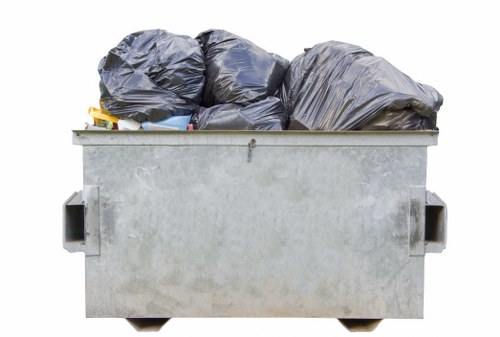 This Health and Safety policy outlines the responsibilities and standards for commercial waste removal operations conducted within our designated service region. It is written as a legal and operational framework to ensure safe, compliant, and consistent performance by staff, sub-contractors, and any authorised personnel. The policy applies to all activities of the commercial rubbish service and associated tasks including collection, transport, temporary storage and disposal. The aim is to protect employees, contractors, clients, the public and the environment while delivering efficient rubbish collection and waste management in the company service area.
The policy sets out clear responsibilities for senior management, supervisors and operatives. Senior management will ensure adequate resources, training and supervision are provided. Supervisors are required to implement risk controls and monitor daily operations. Operatives must follow safe systems of work and use the correct personal protective equipment (PPE). All personnel must report hazards, incidents and near misses promptly so that corrective action can be taken and lessons learned across the waste removal service area.
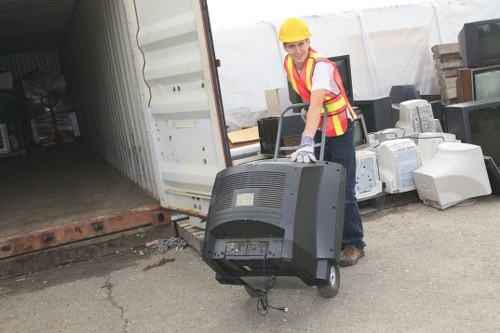 The scope includes handling of general commercial waste, mixed recyclables, bulky refuse and non-hazardous hazardous-like materials where permitted. It excludes specialised hazardous waste streams that require licensed carriers or treatment facilities. Our rubbish company service area approach emphasises segregation, containment, and documented chain-of-custody procedures. Where applicable we maintain documented procedures for the management of potentially infectious or contaminated materials, and we ensure compliance with waste transfer and environmental protection requirements.
Risk assessment and control is fundamental. We conduct documented risk assessments for all routine and non-routine tasks, vehicle movements, manual handling, and site access. Controls include engineered measures, administrative procedures and PPE. The use of mechanical aids, correct lifting techniques, and secure load practices are mandatory. Vehicle and equipment checks are carried out before each shift to ensure roadworthiness and operational safety for the commercial waste collection area.
 Training and competency form a core part of our safety management. Induction training covers company policies, emergency procedures and safe working methods. Ongoing training includes defensive driving for crews, manual handling refreshers, spill response, and segregation protocols for commercial rubbish collections. Record-keeping ensures that all operatives in the rubbish removal service area are competent for their roles and that refresher training is scheduled at defined intervals.
Contractor and third-party management is implemented through pre-qualification, induction and supervision. Only accredited contractors with adequate safety performance and insurance may operate within our commercial waste removal network. Sub-contractors must follow our permit-to-work arrangements and provide evidence of risk assessments and method statements when required.
Operational Safety Standards
Operational procedures require written work instructions for vehicle loading, site access and customer site rules. Crews must wear appropriate PPE including hi-vis, gloves, and safety footwear. Chemical or sharp items must be segregated and double-bagged where necessary. Our waste clearance procedures for the commercial rubbish service include locked containment for potentially harmful materials and clear labelling. Emergency spill kits are to be available on vehicles and at key depots.Emergency procedures include immediate reporting of incidents, securing the scene, administering first aid where safe, and notifying the appropriate emergency services when required. An incident investigation process ensures root causes are identified, corrective actions implemented and risks are mitigated. Records of incidents and near misses are reviewed periodically to improve safety performance across the rubbish company service area.
Monitoring, Compliance and Review
We maintain documented audits, vehicle safety logs, and training records to demonstrate compliance with legal obligations and industry standards. Internal audits, vehicle inspections and toolbox talks are scheduled routinely. Key performance indicators for safety are monitored, and changes to regulations or operational scope prompt policy review. The policy will be reviewed at least annually or sooner following significant incidents, organisational change or legislative updates affecting the commercial waste removal function.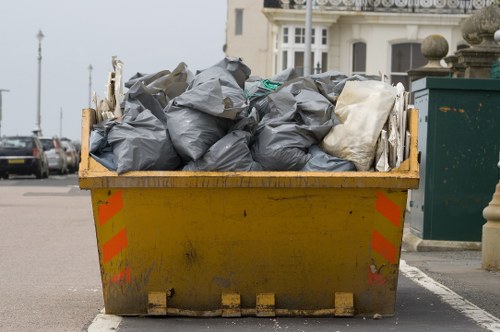 Duty of care extends to environmental protection: waste must be transported and transferred in a manner that prevents leakage, littering and pollution. Secure containment, covered loads and prompt response to spills safeguard public spaces and receptors. We commit to lawful disposal at authorised facilities and to the principles of waste hierarchy: prevention, reuse, recycling and recovery within the commercial rubbish service area.
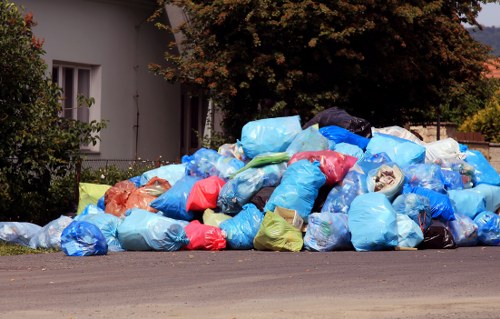 This policy is issued to inform staff and stakeholders of the standards expected within the commercial waste collection area and to provide a transparent basis for enforcement of safe working practices. All employees are required to familiarise themselves with this policy and to cooperate with implementation. The organisation will ensure that adequate resources are available to maintain a safe operating environment, and that safety is integrated into planning, scheduling and contract management for all waste removal activities.
By maintaining robust risk management, clear responsibilities, and ongoing review, this Health and Safety policy supports a professional, compliant and responsible approach to commercial waste removal, collection and rubbish management across our service area. The document is kept under controlled issue and forms part of the company’s legal and operational obligations to protect people and property while delivering commercial waste services.